How to Choose Your Wedding Photographer Along the Wasatch Front
Your wedding photographer will spend more time by your side on your wedding day than almost anyone else. They are there during the quiet, nervous anticipation of getting ready, orchestrating family formals, and keeping things relaxed while helping you tell your story.
Your photos are the things that are actually going to last and the only physical thing you will keep from your wedding day. Along the Wasatch Front—where regional backdrops range from historic urban brick venues in Ogden to dramatic canyon overlooks and mountain resorts—choosing someone who truly understands the unique spots right here in Utah makes all the difference.
Evaluating local photographers and securing the ideal fit for your wedding day involves looking at several key elements:

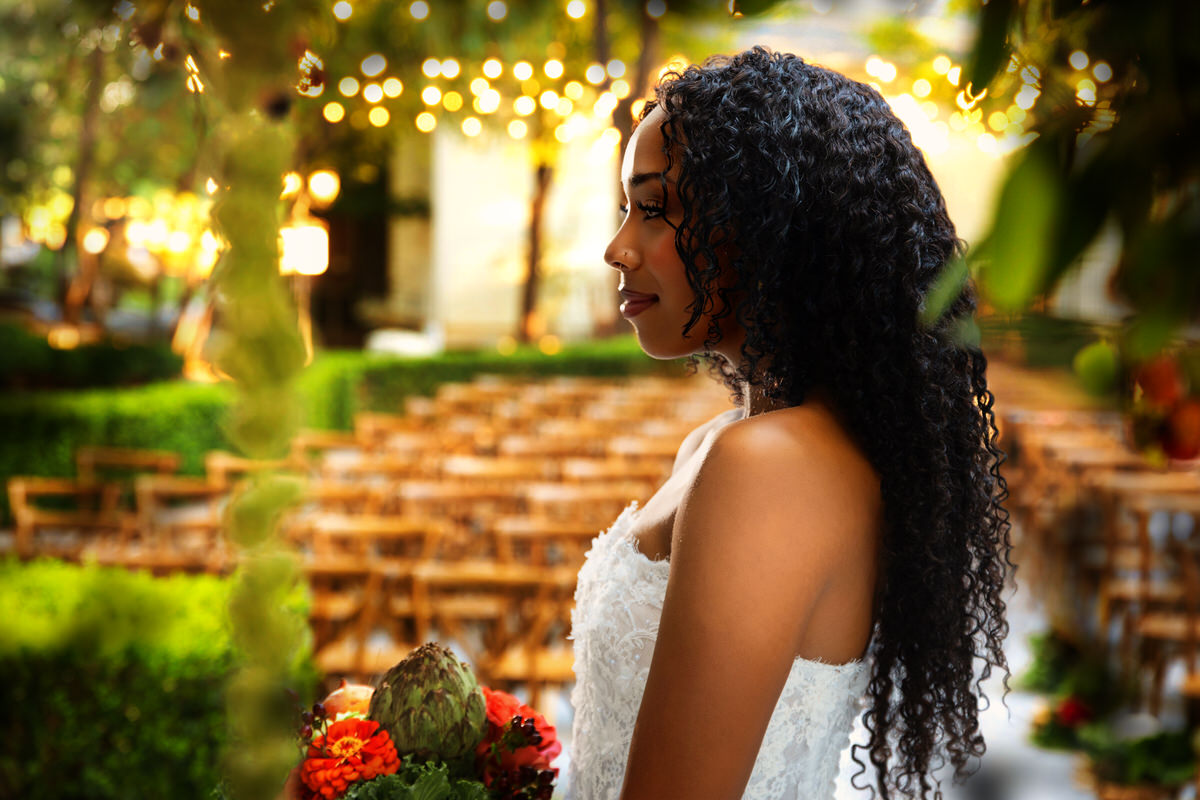
1. Define and Identify Your Preferred Aesthetic Style
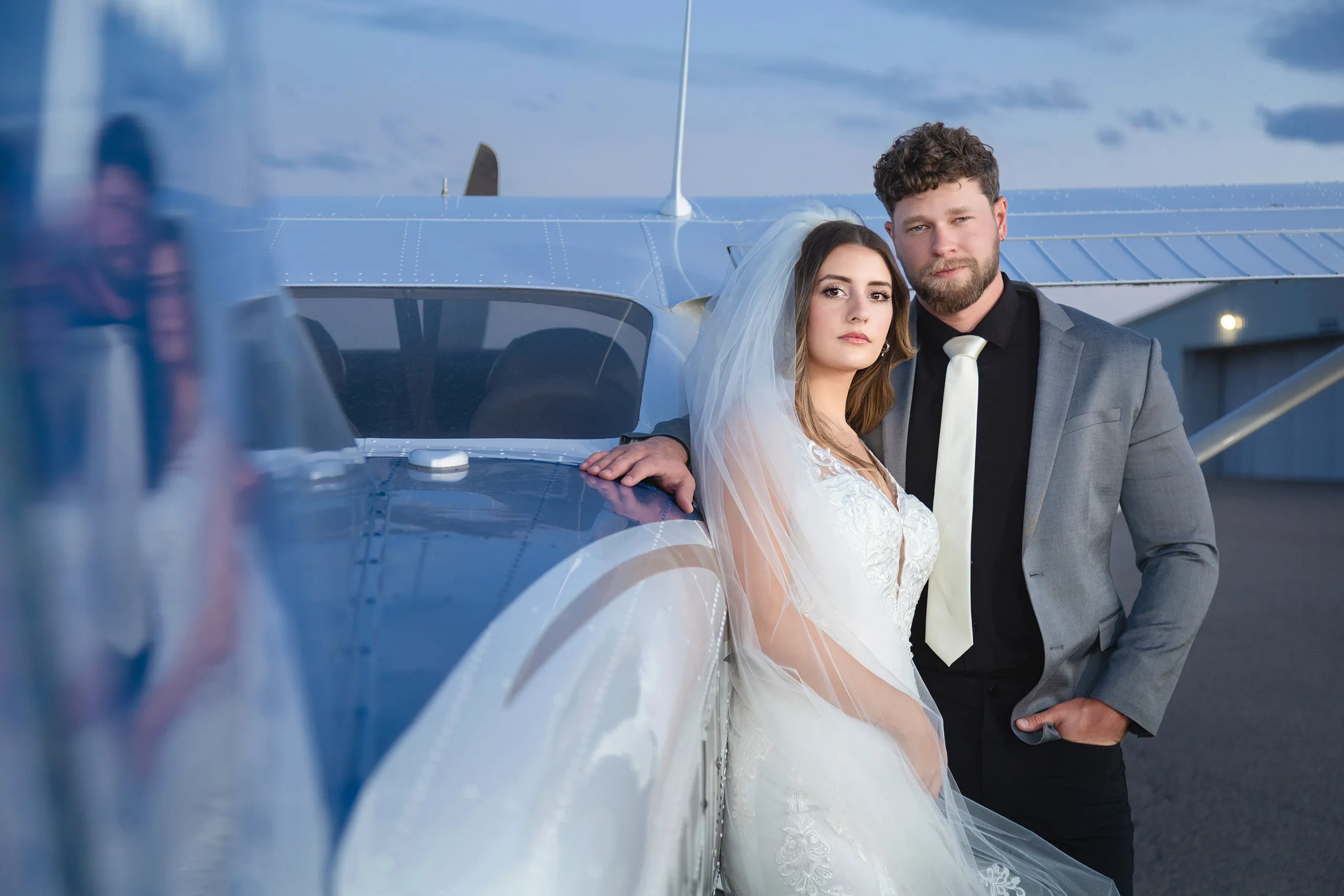
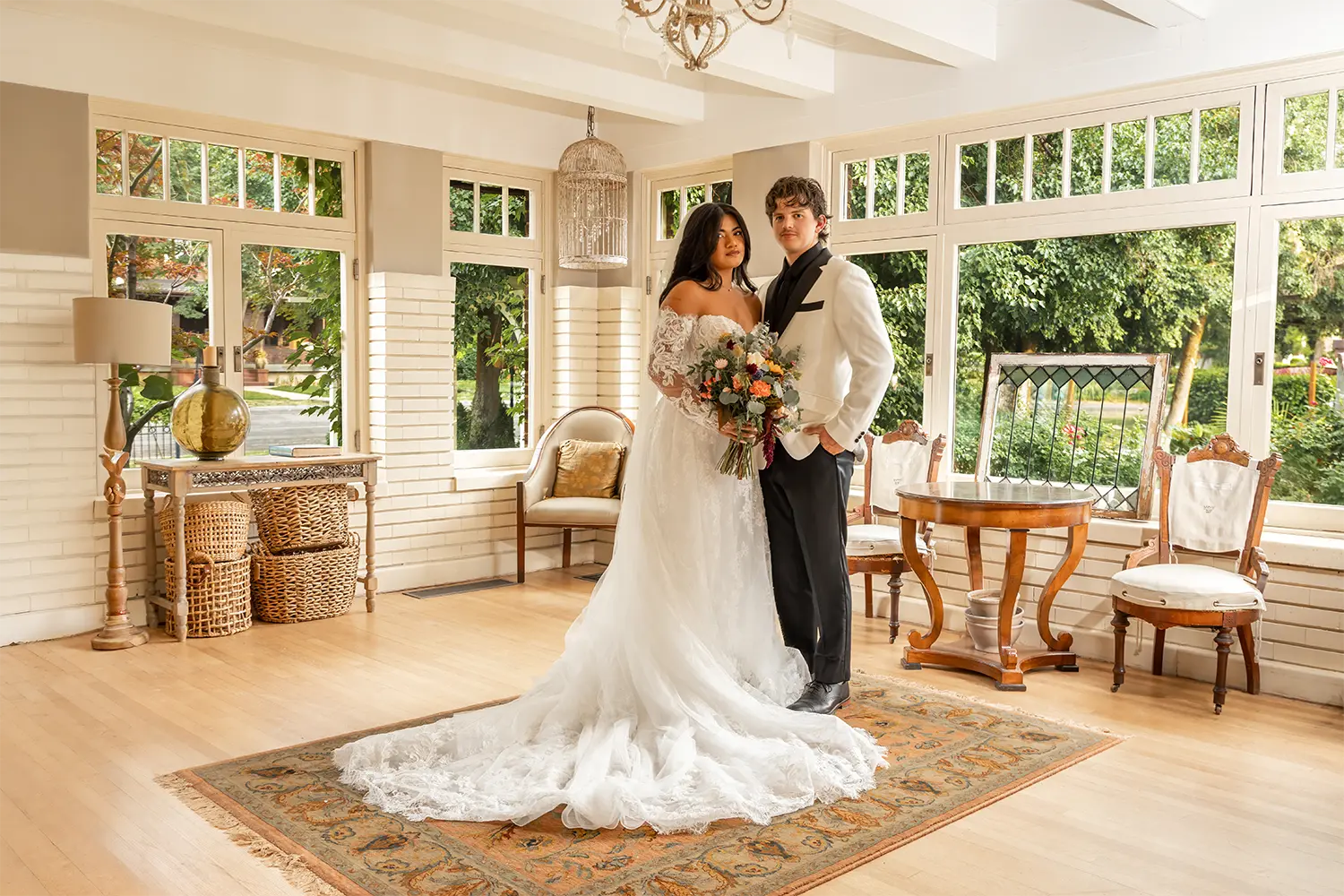
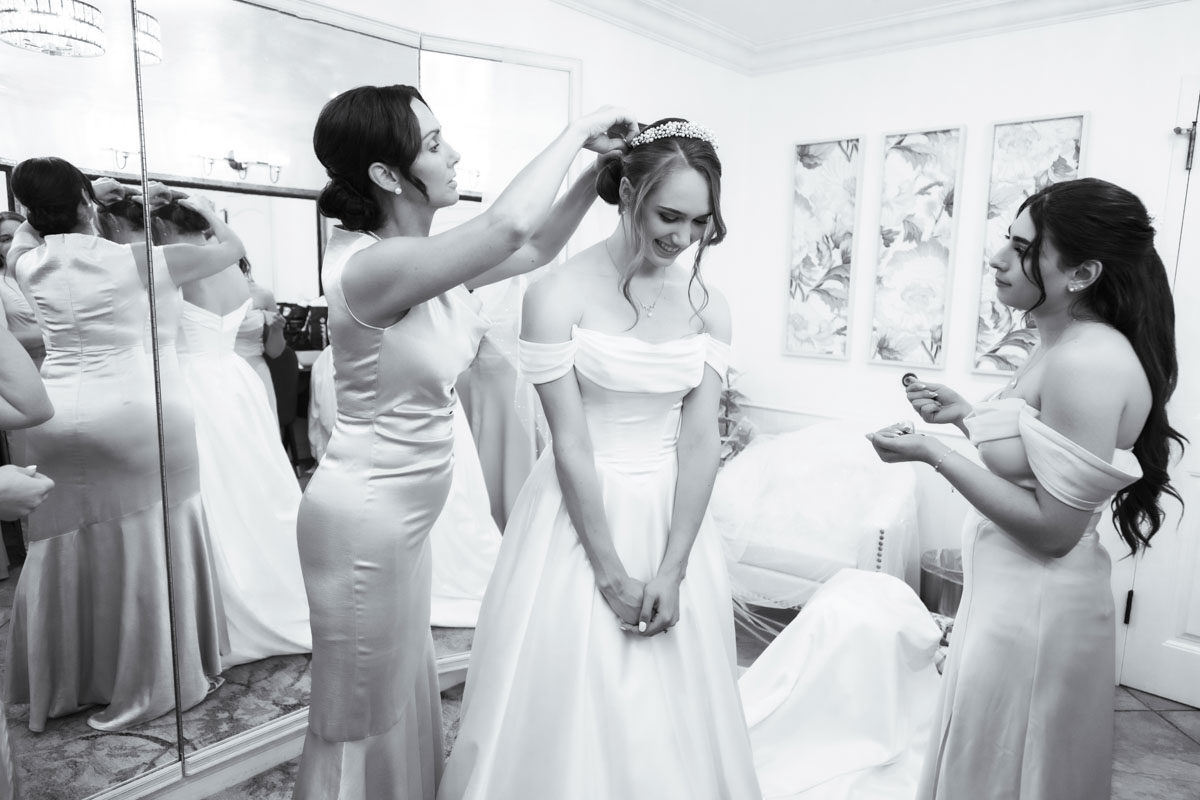
Before you start reaching out to photographers, look closely at portfolio work and pin down what visual style speaks to you. Local wedding photography generally falls into a few distinct categories:
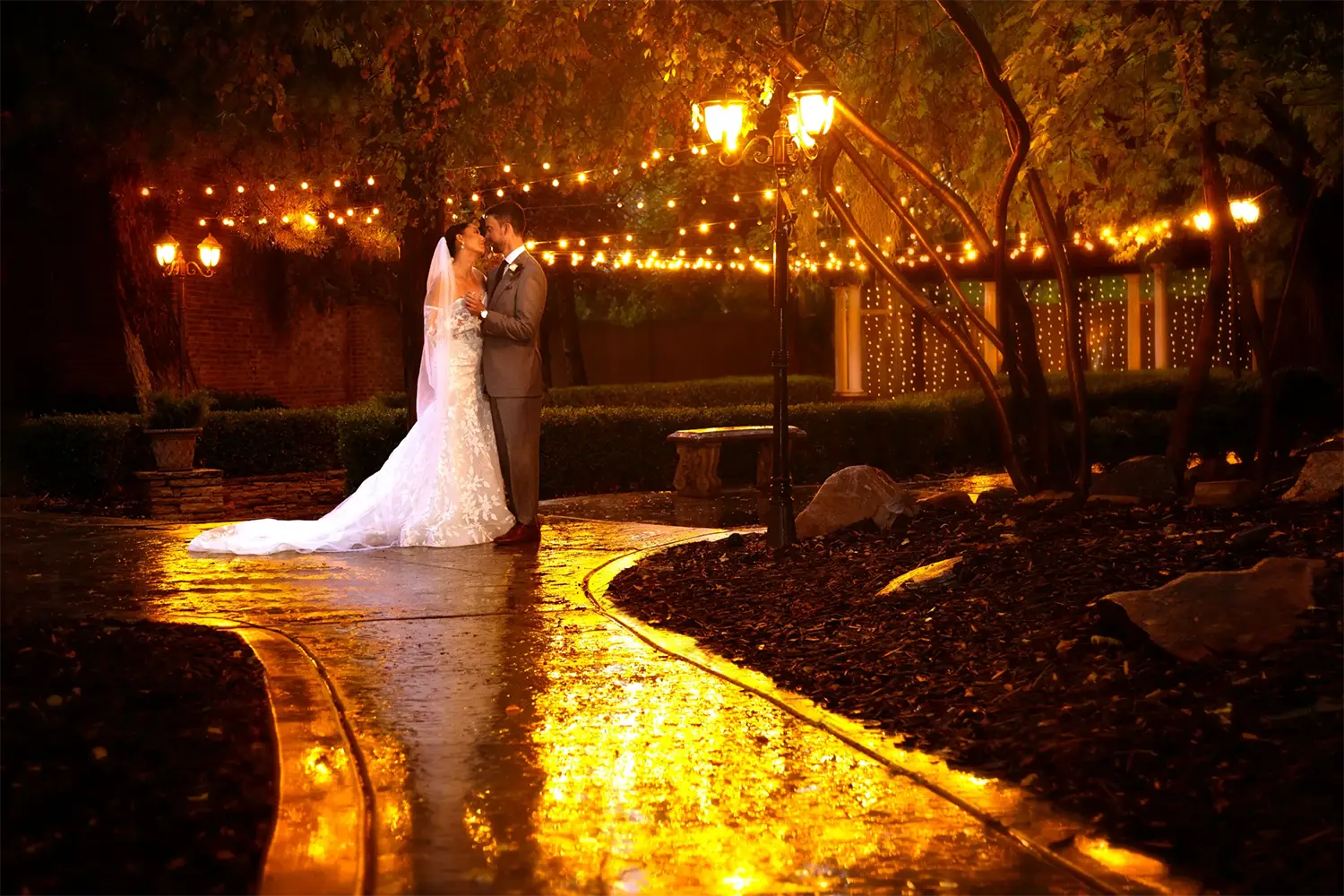
When considering style, a true-to-life approach ensures your images remain classic and authentic for decades to come, accurately reflecting the natural colors of your day without relying on fleeting trends. Clean, accurate tones also give you the flexibility to adapt and edit the files creatively down the road—an option you lose with heavily stylized or pre-filtered galleries that lock your images into a rigid look.
Make sure the style you fall in love with matches how the photographer consistently shoots.
2. Always Ask to See a Full Wedding Gallery
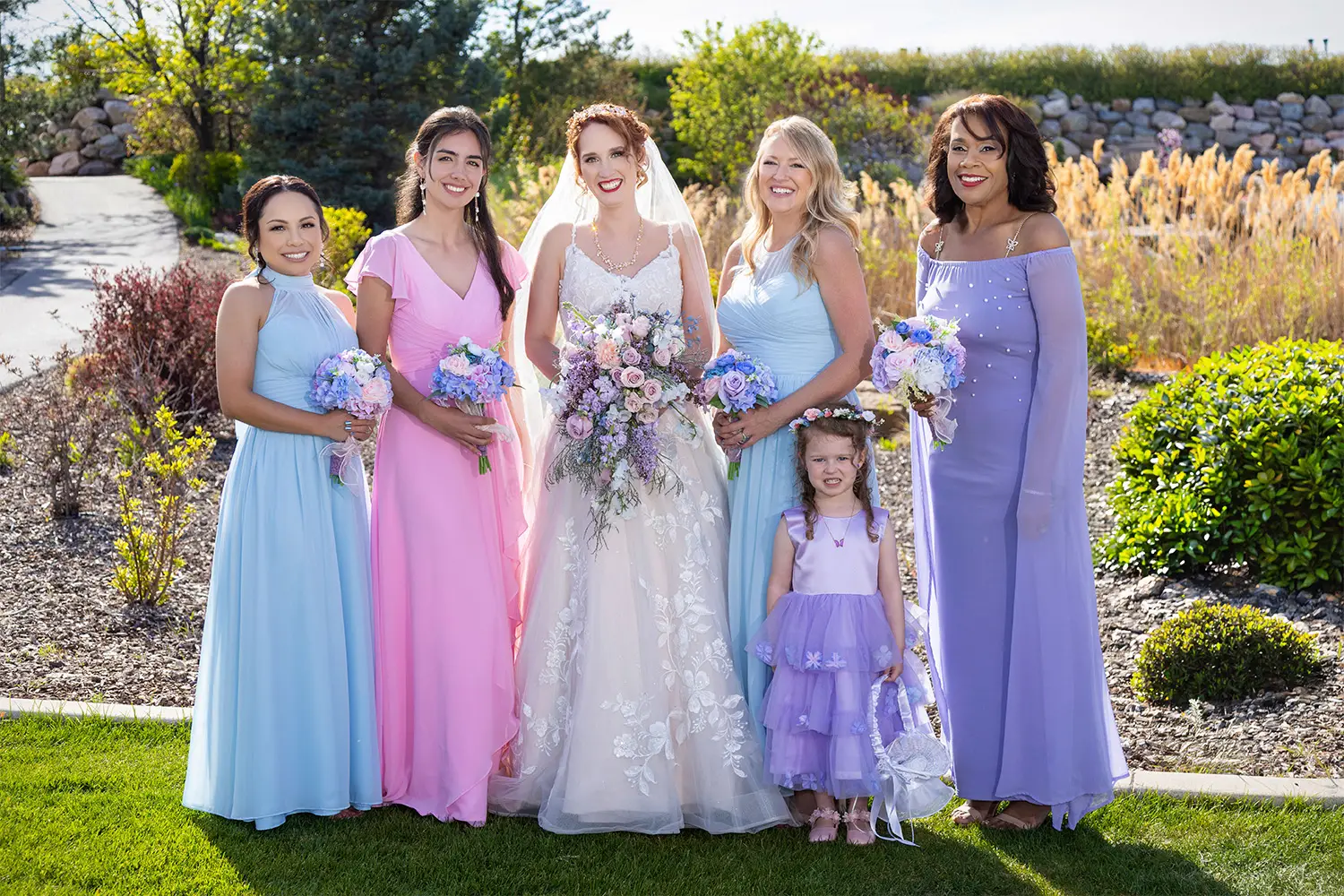
A highlight reel on Instagram or a curated website portfolio can make any photographer look incredible. However, those selected images represent only the top one percent of a wedding day.
Always ask to view a complete, unedited gallery from a single real wedding. This lets you evaluate how they handle the entire timeline:
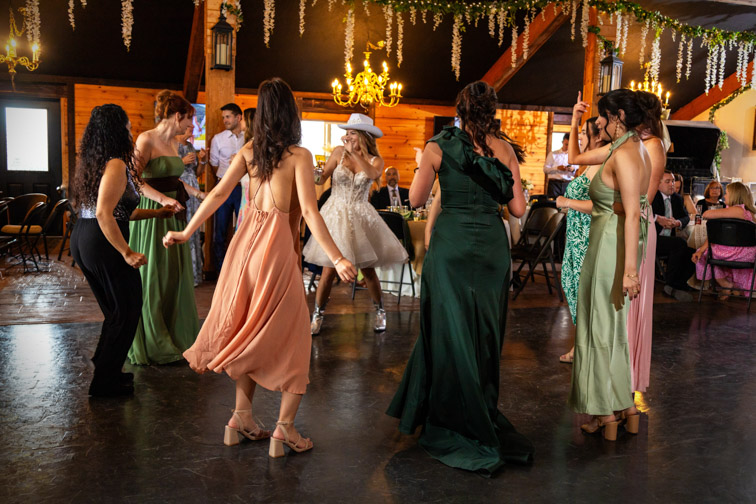
- Can they maintain consistent quality when moving from bright outdoor mountain ceremonies into dark historic indoor reception halls?
- How do they handle unpredictable weather or harsh midday light?
- Does the pacing of the day look smooth and well-documented from start to finish?
3. Look for Local Experience and Venue Familiarity
Having a photographer who knows the Wasatch Front inside and out is a game-changer. A photographer who regularly shoots in Northern Utah understands sudden weather shifts, how quickly the sun drops behind the Wasatch mountain range, and the architectural quirks of historic regional properties. If they have shot at your specific venue before, they will already know the best hidden pockets for portraits and how to manage the space's unique lighting challenges.
4. Ask the Essential Vetting Questions
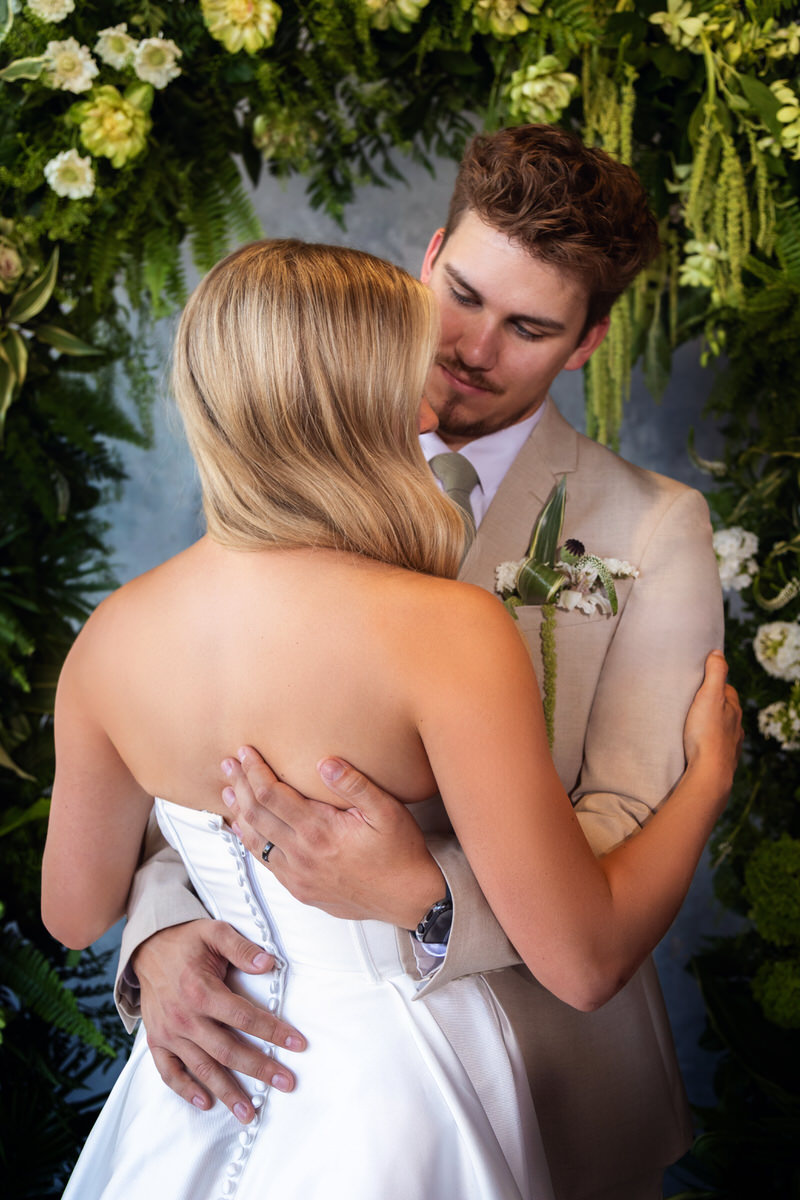
When you sit down for a consultation, look beyond pricing and package hours. Ask these core questions to gauge their level of professionalism:
- What is your backup protocol? Professional photographers carry backup camera bodies, duplicate memory card slots, and contingency plans for equipment failure or illness.
- Do you help build the wedding day timeline? An experienced professional acts as a co-pilot, helping structure realistic time blocks for getting ready, family formals, and sunset portraits so your day feels relaxed instead of rushed.
- What is included in the investment? Clear up details regarding print rights, digital resolution, turnaround times, and whether a second shooter is included to capture parallel angles.
5. Trust Your Personal Connection (The Gut Check)
Your photographer is not just a vendor; they are your personal director, calm presence, and shadow for the entire day. You want someone whose personality works with yours—someone who makes you feel completely at ease, communicates clearly, and knows how to lead a room with confidence and warmth.
When you find the right team to photograph your wedding and tell your story, your style matches their portfolio, their technical experience covers your venue's lighting demands, and your personalities click. This makes it so they can truly tell your story.