
Navigating Difficult Lighting at Historic Northern Utah Venues
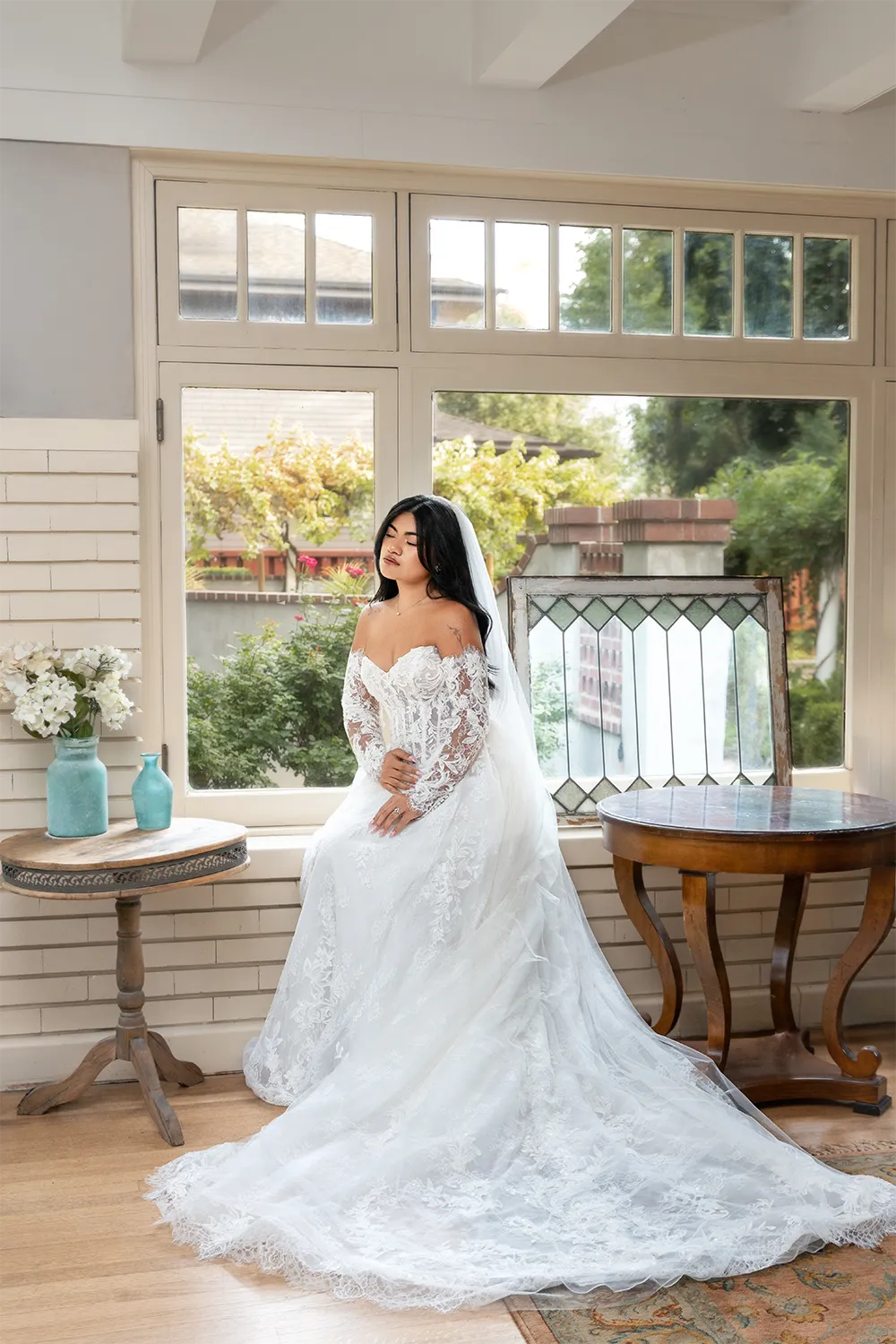
Northern Utah boasts an incredible collection of historic venues, from vintage brick buildings in downtown Ogden to classic European-inspired estates and rustic canyon properties. These spaces carry a level of timeless character and architectural romance that modern blank-slate ballrooms simply cannot replicate.
However, that historic charm often comes with a distinct set of technical challenges, particularly when it comes to lighting. Whether you are planning your ceremony inside a century-old hall or hosting a reception under heavy timber beams, understanding how lighting behaves in historic spaces is essential for creating a breathtaking photography gallery.
The Unique Lighting Challenges of Historic Properties
Historic venues were rarely built with modern, light-filled open-concept layouts in mind. Instead, they feature design elements that impact how light moves through a room:
- Limited Natural Light: Small windows, thick exterior walls, and deeply shaded porches often restrict the amount of daylight entering the space, resulting in darker, moodier interiors.
- Warm Architectural Tones: Dark wood paneling, exposed red brick, and antique furnishings absorb light rather than reflecting it, which can cast heavy color tones onto skin if not properly balanced.
- High, Complex Ceilings: Vaulted timber frames, ornate plaster, or dark beamed ceilings make it impossible for standard on-camera flashes to bounce light effectively.
How Professional Lighting Techniques Solve These Challenges
Achieving bright, crisp, and true-to-life images in a moody historic venue requires more than just turning up a camera’s ISO. Professional wedding photographers utilize advanced lighting setups to transform challenging rooms:
1. Strategic Off-Camera Flash (OCF)
Instead of relying on harsh direct flash, photographers place multiple off-camera light stands around the perimeter of the room. By bouncing light into neutral corners or diffusing it through softboxes, they recreate the illusion of soft, directional window light—even in a windowless historic cellar or ballroom.
2. Balancing Interior and Exterior Exposure
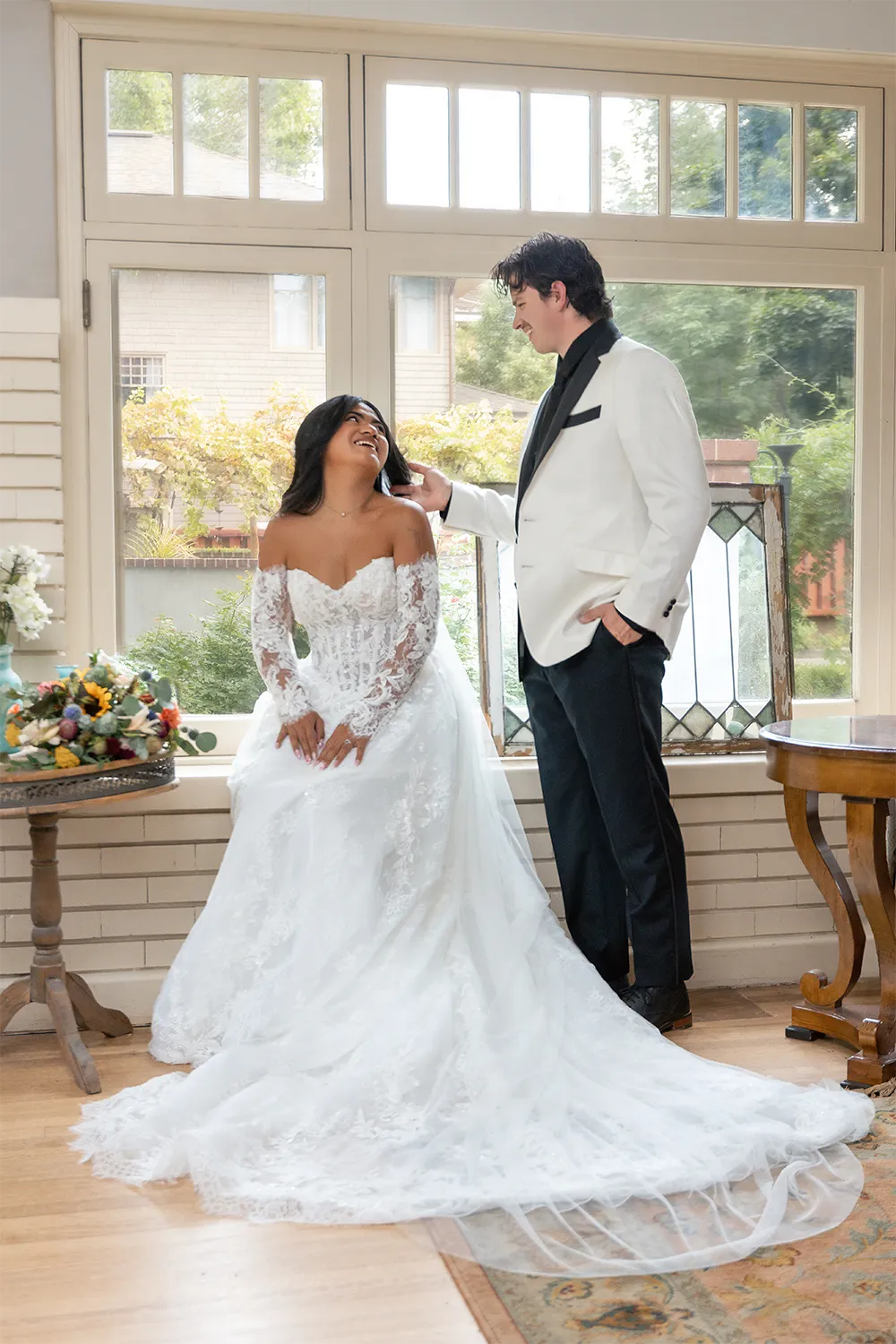
Historic venues often feature grand windows that let in blazing outdoor light while the interior room remains in deep shadow. Capturing both details without blowing out the highlights or crushing the shadows requires professional multi-exposure blending or careful balancing of ambient and artificial light.
3. Leveraging Golden Hour Timing
For outdoor ceremonies or courtyard cocktail hours at historic estates, timing is everything. Scheduling your portraits to align with the golden hour ensures that the harsh midday sun is filtered by the Wasatch mountain ridge, bathing you in a warm, flattering glow.
Tips for Couples Touring Historic Venues
If you have your heart set on a historic Northern Utah venue, you do not need to shy away from darker or more traditional spaces. Keep these practical tips in mind during your venue walk-throughs:
- Ask About Ambient Restrictions: Some historic properties have strict preservation guidelines regarding where lighting equipment can be placed or taped down. Make sure your photographer is experienced in working within historic preservation rules.
- Check Window Orientations: Notice which direction the primary windows face. East-facing windows provide gorgeous morning and early afternoon light, while west-facing windows can create intense, blinding glare during late afternoon ceremonies.
- Trust Your Creative Team: An experienced local photographer has likely shot in your venue before. They know exactly how the light shifts from season to season and will bring the right gear to ensure your gallery looks radiant, regardless of the room's native light levels.